With International Peening Day (5th April 2026) approaching I thought it would be a good time to post an update review on Peening methods.
2025 seemed to be the year in which peening devices: ‘dengel apparat’ featured prominently
A special peening edition of the 2025 Windrow newsletter No 21 included a number of detailed reviews of the different peening devices and methods available. I have summarised the main features highlighted in these reviews and subsequent discussion for each method below
Peening challenge
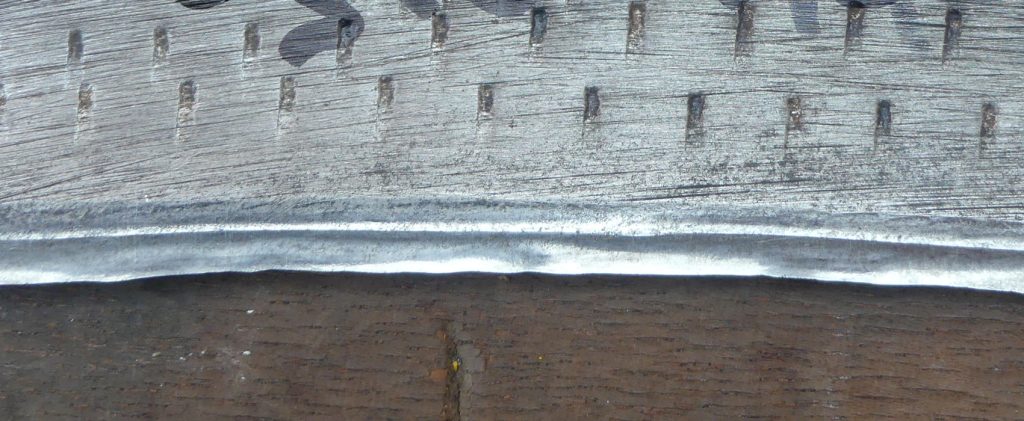
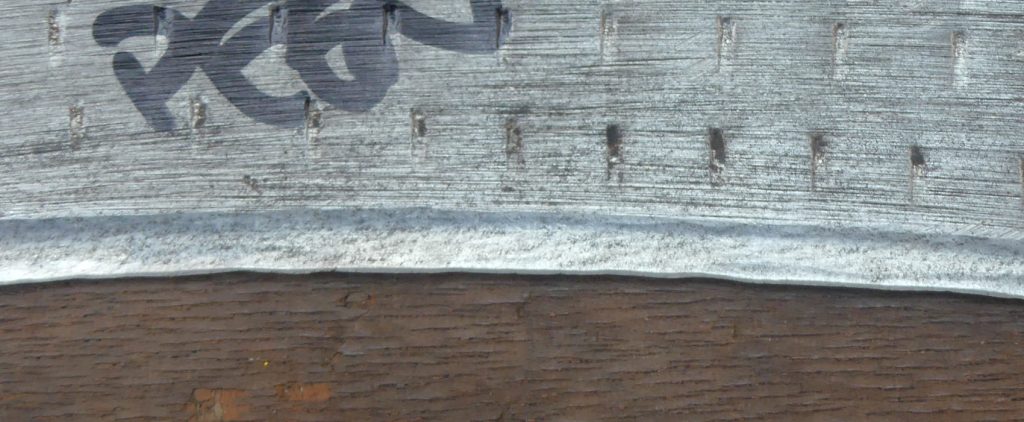
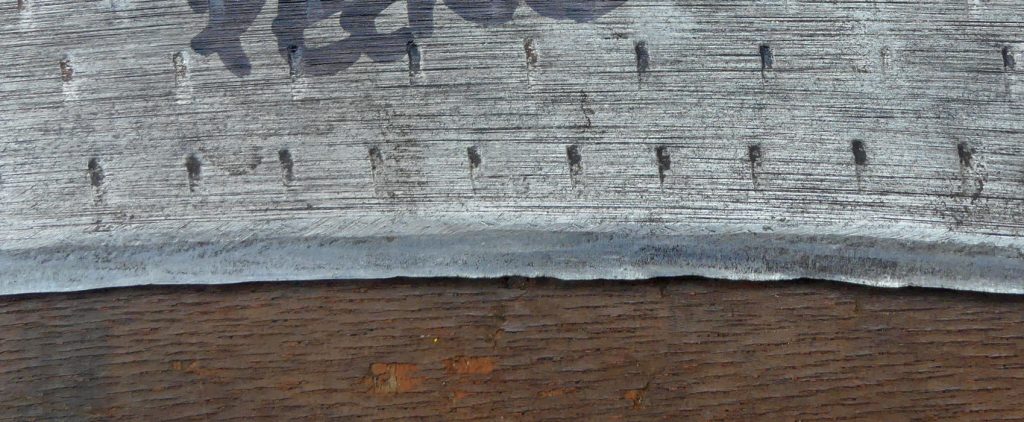
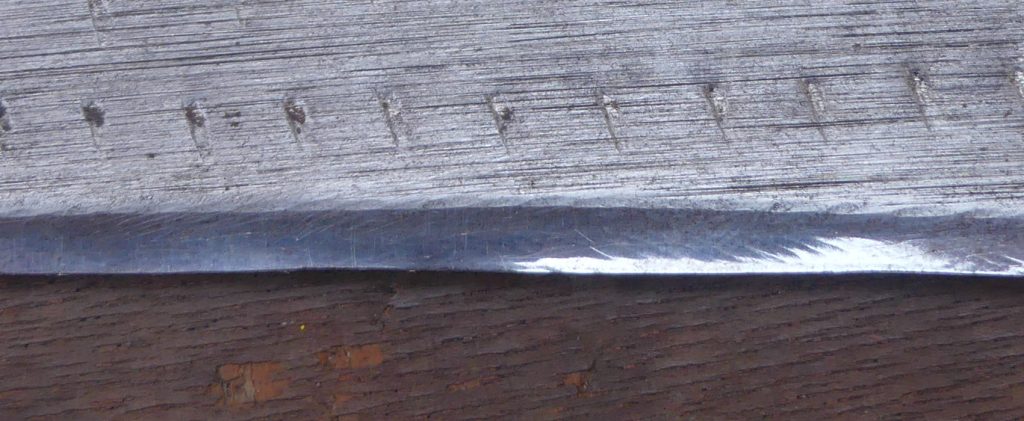
All of these devices could be seen in action at the Green Scythe Fair in Muchelney in June. In response to this I took the opportunity to issue a peening challenge at the event. I invited advocates of each of the for main methods to peen a short sample section side by side on one blade. I then took the results around the event and asked 14 experienced scythers to give their assessment of the results. A summary of this trial follows after the descriptions.

Peening Method descriptions
First a comparative table of the key factors (all figures an approximate guide as they will vary with equipment and peener)
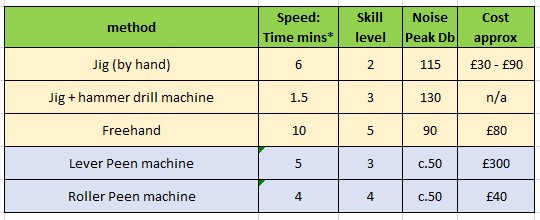
Speed (*time for one pass 75cm blade), Skill level needed 1 to 5 (5 = most)
Noise levels: Db measured with a digital meter. 60 Db =noise level of an average conversation; 85 Db+ Ear protection required
I have not attempted to compare the number of passes required for each method as this varies so much depending on the condition of the blade, the operator and the method. Typically two to three passes are needed. A well set lever machine on a regularly peened blade in good condition can potentially peen in one pass. A blade in need of restorative peening may take five freehand passes.
Jig Peening
Peening with a jig is probably the best entry level method for new scythers. It is relatively cheap. It uncomplicated to understand and set up, and only requires moderate skill levels to get acceptable results. It is a good way to acquire knowledge of the peening process before advancing to freehand or mechanised peening options.
With practice jig peening can be quite quick and many use it for speed as a preparation for freehand final finishing; particularly where a blade needs a lot of peening to restore it.
There are two types of peening jig available.
The standard (cheaper) models from Czechia and Slovakia do a good job for everyday use, but on their own probably not get you to superlative competition level finish (freehand follow up needed).
The deluxe jig made by Schroeckenfux in Austria is a quality tool with more refined machined caps. It can produce a nicer looking finish, closer to freehand peening. It however will still not quite finish to the very edge. This jig is two to three times the cost of a standard jig and their subtle end cap profiles perhaps not as good with thicker badly worn bevels.
I use a Fux jig in my hammer drill powered machine which produces excellent results. I have foot control over the hammer pressure and with both hands free to guide the blade I can hold the blade away from the guide post do a final pass on the very edge. It is very fast, has saved me from RSI, but very noisy needing top level ear protection. This was the set up used to represent the jig in the peening challenge.
Freehand Peening
Freehand peening using a simple profiled polished anvil and hammer has the potential to deliver the best results and the most control over the peening process. More than all other methods it relies on skill, experience and understanding of peening to get good results. Freehand peening for some is a itself a satisfying process. Once mastered it can reward application with superlative results.
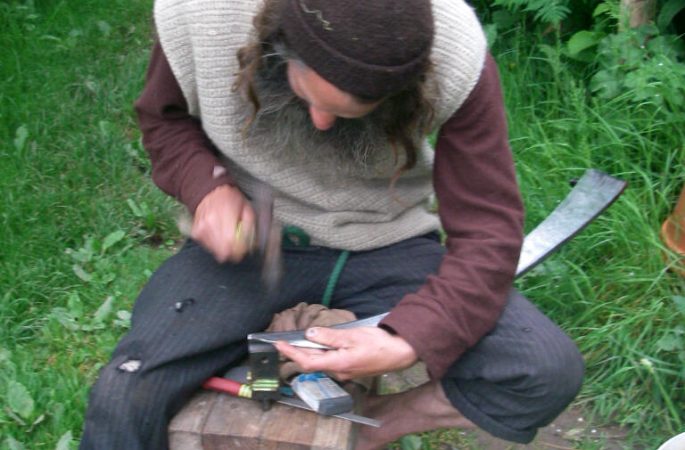
Phil batten says Freehand Peening “allows for the creation of the most variation in edge profiles. Being able to freehand peen the edge is a very valuable skill to have, which ever other peening method you use for the main peen, as it produces excellent, long lasting mowing edge”
On the downside, freehand peening is harder to learn and practical instruction definitely recommended. It takes longer to peen a blade, and for the inexperienced carries a greater risk of over-peening (both by over-stretching metal and distorting the edge, and by over hardening to the point where cracks appear). For the keen scyther these limitations can be mitigated by tuition, practice and using as a finishing tool in combination with a jig,
Lever Dengel apparat
This apparatus works by pinching the blade edge between two smooth, slightly curved jaws. Power for the jaws comes from a powerful lever that can be arm or foot operated. It is both quiet and quick to operate and once mastered delivers fine results which its advocates describe as a game changer. See Richard Toogood’s article in Windrow 21 for more details.
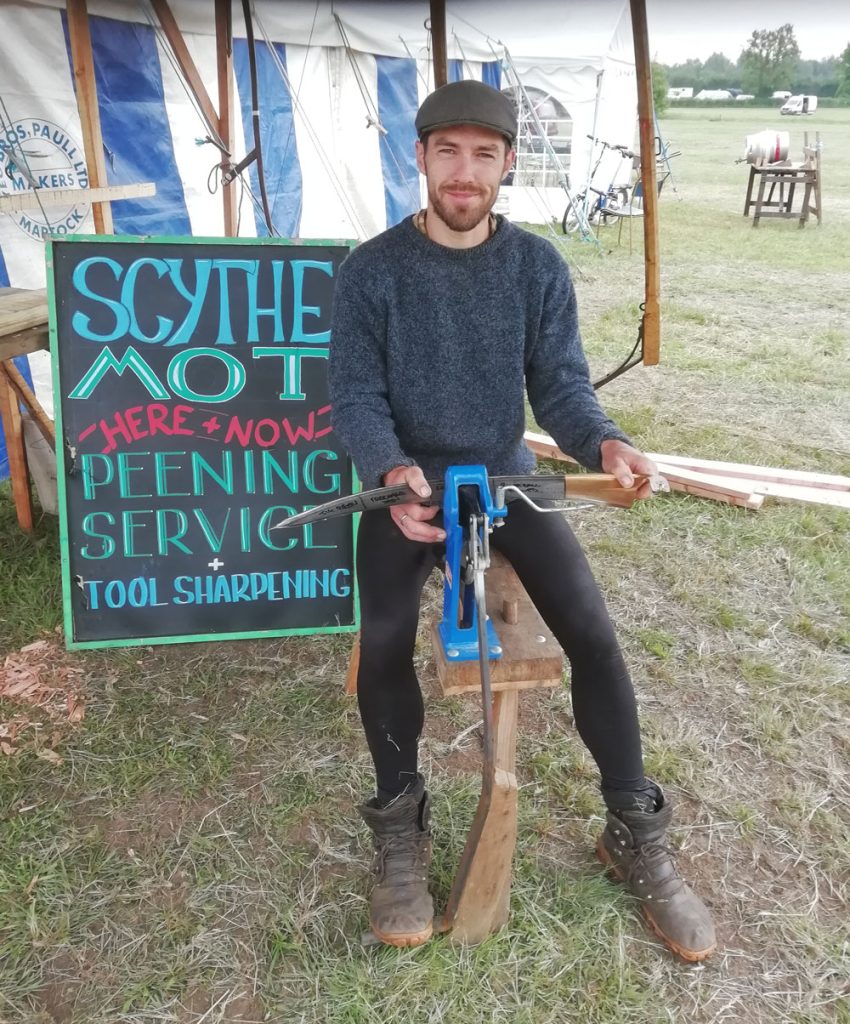
Richard Toogood says “Using one still requires understanding and skill and learning the nuances of the machine, but the need for such high motor skills is significantly lower than with learning free hand peening”.
One of the downsides to this method is that the equipment is costly. Once set up its speed and quiet operation can make it a worthwhile investment especially for groups and scythe instructors.
The lever machine can struggle to accept blades worn back to a thick or steep bevel, and it is harder to peen to a robust edge profile as needed for rough vegetation tasks.
As with hand peening there is a small risk of over-peening by moving or thinning metal too much, (which experience will overcome).
The powerful squeeze action is gentler than repeated percussive hammering, as a result, it appears that lever peening does not produce as much strain or work hardening to the edge. This shows itself as a need for more frequent peening which is judged an acceptable compromise as it is so quick to re-peen. The less resilient steel produced by squeezing may also not hold a keen edge as well (as would be the case with edge profiles of these blades if ground rather than peened).
Rollerball Machine
This machine works by squeezing the blade edge with a revolving set of steel balls. Because there are no impacts, the operation is extremely quiet. The working gap the blade is squeezed through is mechanically set so it produces a very consistent edge thickness, without any risk of overworking once the thickness is correctly set. The device is hand cranked, but with bit of engineering can be converted to be powered with a cordless drill to allow two handed blade feed control.
Being very cheap its build quality and instruction manual are less than adequate. As a result, many have found this machine frustrating or impossible to set up. With persistence it can deliver good results at a low cost.
Martin Stevens says “The main benefit for me personally for this machine, compared to the jigs or freehand peening, is how easily I can now get a good quality, thin, consistent edge on all of my blades. For me, now it’s set up, it just works every time without fuss, and I have never damaged a blade (so far!) with this machine (whereas I put plenty of cracks in using a hammer).”
see also Martin Stevens detailed article in Windrow 21 which includes tips on setting the rollerballs up.
Peening Trial results
methodology
Four peening methods and peeners entered the trial.
The results were assessed by 14 experienced scythers including the above four peeners.
The assessments were done blind-ish. (The assessors were not told which were which, but most would be able to guess correctly.
They were each asked to compare and rate the results of peening from 1 – 5 (5 best). The blade sections were just peened not honed, so sharpness not judged. Otherwise the judges were asked to just give their personal general assessment without prejudice.
results
The collective results were interesting both with regards to the differences between peening method and the divergent opinions of the assessors!
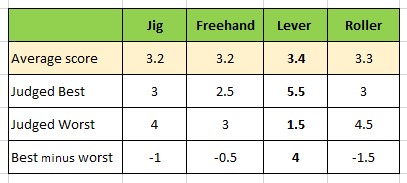
Between the 14 assessments there was no stand out winning method or even a consensus. The average scores generated were not significantly different: all clustered around the midpoint 3.3. This probably reflecting the fact that all the methods do work and can peen a blade.
To drill deeper into the different opinions I compared just the number of best and worst ratings given by each judge.
All of the four methods received best ratings by some as well as worst rating by others!
Again, the consensus from this is far from unanimous, but the Lever Dengel apparat stands out gaining the most likes and least dislikes.